
01
Tubes, seams, and valves
We handle punctures, cuts, loose seams, pressure loss, and valves that no longer hold properly.
- PVC and Hypalon repairs
- Patching areas that lose air
- Valve replacement or inspection
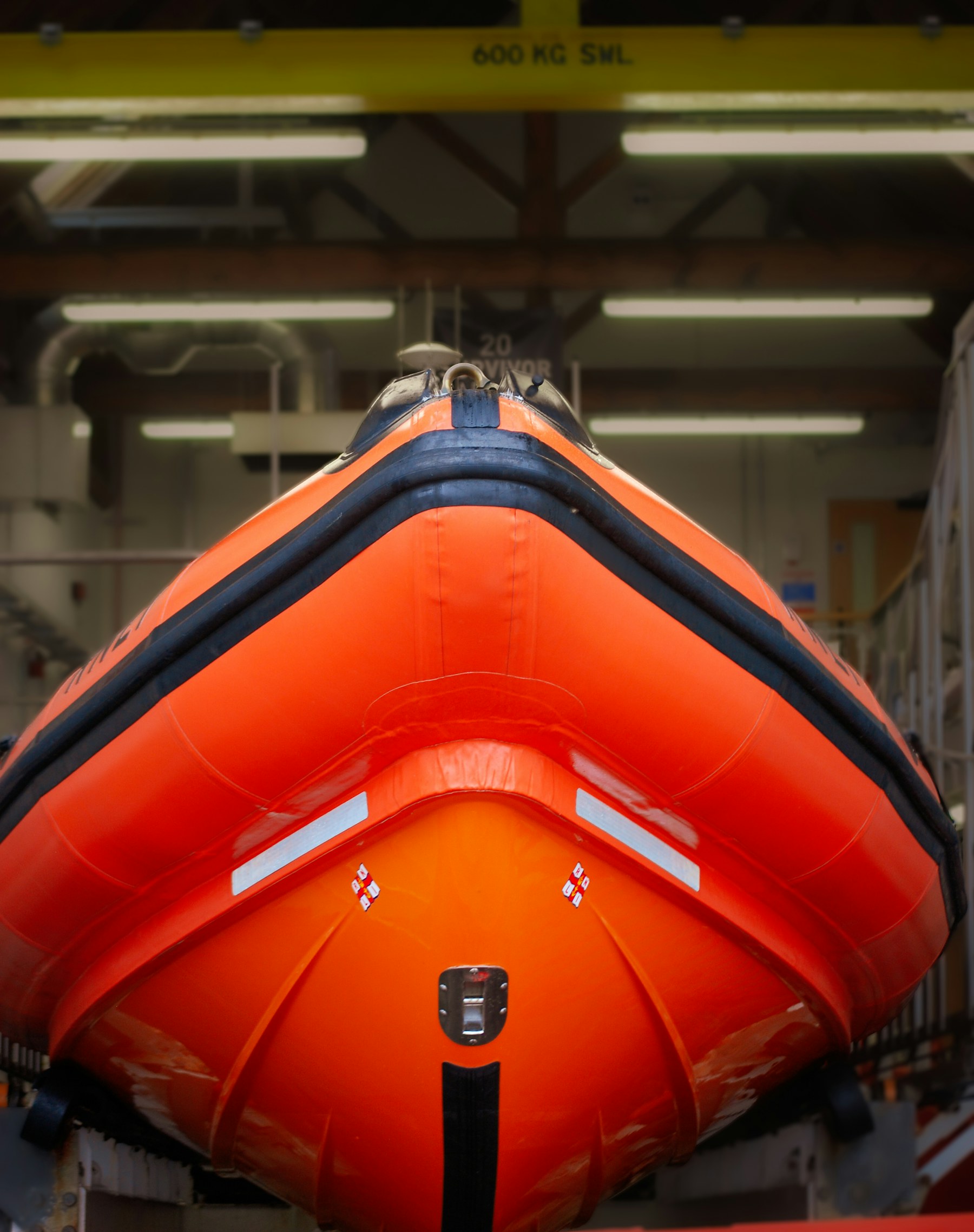
RIB service
Washing, inspection, and repair for RIBs: PVC/Hypalon tubes, valves, marine plastics, and textile parts.
Common work
Service
Most RIBs come in for leaking tubes, tube cuts, worn valves, post-season dirt, or damaged textile and plastic parts.
We handle punctures, cuts, loose seams, pressure loss, and valves that no longer hold properly.
Cleaning makes sense after the season, before selling, or before repair when the surface needs to be properly visible.
Plastic parts, handles, strips, and finish elements are handled according to condition and parts availability.
Textile parts connected to the RIB and daily use can be stitched, repaired, and reinforced.
RIB symptoms
Some signs look minor while the RIB is on land, but become bigger problems during the season. If they repeat, they are worth checking before use.
One chamber drops after inflation, a cut is visible near a seam, or the leak is only audible when the tube is under pressure.
The problem may be the valve, the edge around it, or a loose bonded area. The full zone is checked, not only one part.
Salt, grease, and use marks can hide damage. Deep cleaning is often the first step before a more serious inspection.
Cracked plastic, worn handles, loose strips, or weak seams are handled according to condition and part availability.
Agreement
Photos are enough for the first reply. For larger cuts, loose seams, and more complicated repairs, the RIB still needs to be inspected in person.
First inquiry
No long message is needed. A few details are enough to understand the job.
If you do not know the material or cause, send photos. That is enough for the first reply.
Before handover
FAQ
Short answers about materials, cleaning, and workshop inspection.
Yes, we handle both small and demanding repairs depending on material condition.
Yes, we repair and restore damaged marine plastic components.
Yes, deep cleaning can be a standalone service or part of broader RIB maintenance.
First we look at the damaged area, material age, and whether the surrounding zone still holds. Photos help for the first reply, but larger damage is better inspected in person.
Yes. The valve is checked together with the tube and the area around the valve, because pressure loss does not always come from the valve itself.
Most often after the season, before selling, or before repair. A clean surface shows cuts, loose bonding, and repair areas more clearly.
Contact
Send photos and a short note about what happened. We reply with a suggested inspection or timing.